
By Tara
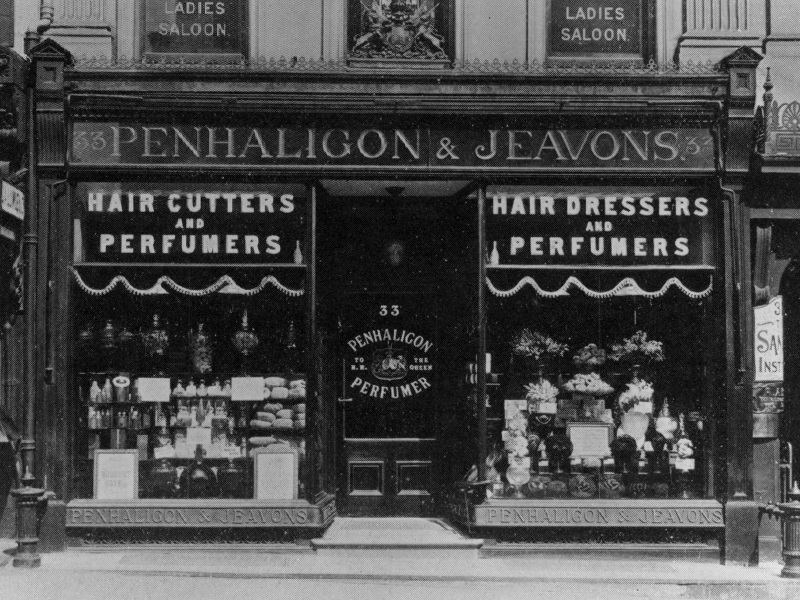
Established in 1870, Penhaligon’s is a quintessentially English fragrance house. I am fond of their witty, English eccentric style and they have made some interesting choices regarding their perfumes in the last few years. Admirably, they have managed to avoid becoming staid without losing their identity. Here are my thoughts on three of their more recent releases.
Iris Prima, Eau de Parfum

Head: Bergamot, Green Amber, Pink Pepper
Heart: Iris Absolute, Jasmine Sambac, Hedione, Paradisone
Base: Leather, Vanilla, Sandalwood, Vetiver, Benzoin
Penhaligon’s most recent release was inspired by the English Royal Ballet and what better perfume material to represent this rarefied world than iris? The opening of Iris Prima is a pleasant coupling of raspy iris and happy-go-lucky bergamot, followed by a dusting of powder and clean jasmine.
While iris tends to come across as rather cold and aloof, the other heart notes combine to give it brightness and sparkle. The iris is cheered up by a big bouquet of flowers in full bloom. Longevity is reasonable on me, eventually drying down to a base of very soft vanilla suede.
Iris Prima might be worth checking out if you are still looking for a pretty, easy to wear iris for your collection.
Vaara, Eau de Parfum

Head: Quince, Rosewater, Carrot Seed, Coriander Seed, Saffron
Heart: Moroccan Rose Absolute, Bulgarian Rose Oil, Freesia, Indian Magnolia, Peony, Iris
Base: Honey, White Musk, Cedarwood, Sandalwood, Benzoin Resin, Tonka Bean
Although inspired by an Indian prince, I’d describe Vaara as rather more feminine than masculine. The opening is a gorgeous melange of tart quince, sweet rosewater, vegetal carrot seed and creamy saffron. I adore it for all these delicious, contrasting accords. It develops into a transparent rose with a mist of powder which manages to add to its beauty without making it feel dated. I just wish the base was more distinctive and it had a bit more sillage.
Vaara would appeal to those like me who prefer their spices mild. Those looking for something spicier or more evocative of India might be disappointed, but I think the composition makes sense considering it’s representing such a classic English brand.
My mother is Anglo-Indian and to me Vaara is an Anglo-Indian perfume. This association is partly why I feel a great affection for it despite its imperfections.
Sartorial, Eau de Toilette
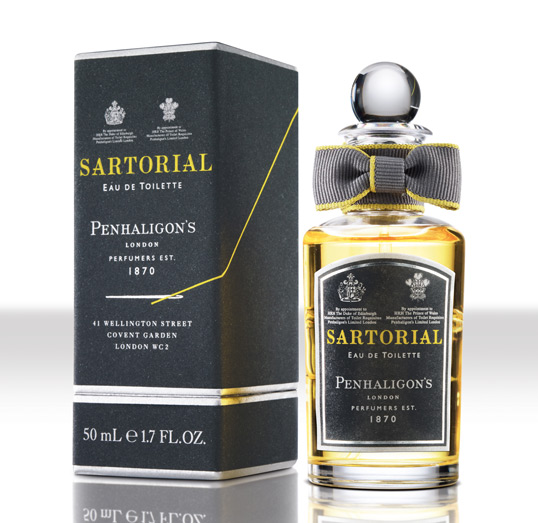
Head: Aldehydes, Ozonic Effect, Metallic Effect, Violet Leaf, Neroli, Cardamom, Black Pepper, Fresh Ginger
Heart: Beeswax, Cyclamen, Linden Blossom, Lavender, Leather
Base: Gurgum Wood, Patchouli, Myrrh, Cedarwood, Tonka Bean, Oakmoss, White Musk, Honey Effect, Old Wood Effect, Vanilla, Amber
While Vaara reminds me of my mother, Sartorial reminds me of my father – or rather his wardrobe. I recognise the familiar wooden interior along with its contents of well worn clothes, aftershaves, leather belts, shoes, nail clippers and stacks of paperwork. This association isn’t too far-fetched considering the inspiration was actually a Savile Row tailor’s workroom.
Sartorial starts off like a very traditional aromatic fougere in the mould of so many macho aftershaves from the 70s and 80s. However, it settles down into something a lot more modern and interesting. It becomes worn in and musty with mineral and herbal facets. I get a strong case of synaesthesia with Sartorial because I see a grainy grey colour each time I wear it. It’s a fragrance with a lot of character and texture.
It’s so distinctive I could imagine it becoming quite addictive for some. It’s too masculine for me but it might work really well on a dapper younger man or a woman who likes to wear something unexpected.
The perfumer behind Vaara and Sartorial is Bertrand Duchaufour, while
Alberto Morillas created Iris Prima. They are currently available in 50ml and 100ml from £65 to £120.
Have you tried any of these fragrances? Do you have a favourite from Penhaligon’s?









 Olfactoria's Travels